
Leading Products For Disability Remodelings To Enhance Accessibility
Explore top-rated solutions designed to improve safety, comfort, and independence in home remodeling projects for disabilities.
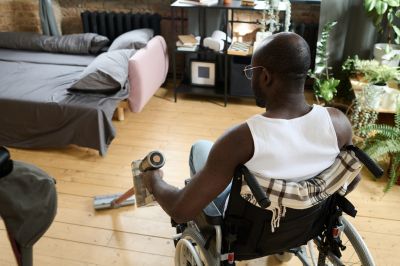 Remodeling a home to accommodate individuals with disabilities requires careful planning and selection of appropriate products that enhance safety, accessibility, and independence. From entryways to bathrooms, choosing the right modifications can significantly improve daily living experiences. These adaptations often include a variety of products designed to address mobility challenges, ensure safety, and facilitate easier navigation throughout the home. It is essential to consider the specific needs of the user when selecting these products, ensuring they complement the overall home environment seamlessly.
Top Overall Option
Modular Accessibility Platform
A versatile modular accessibility platform provides a customizable solution for various home modifications. It offers adjustable height options, easy installation, and compatibility with different surfaces, making it suitable for entryways, bathrooms, and other areas requiring accessible pathways. Its modular design allows for seamless expansion or reconfiguration as needs evolve, supporting a range of mobility aids and ensuring safety and convenience throughout the home.
Types of Products For Disability Remodelings
Wheelchair Ramps
Portable or permanent ramps designed to provide smooth transitions over steps and thresholds, facilitating wheelchair access.
Grab Bars and Handrails
Sturdy bars installed in bathrooms and along stairways to assist with balance and stability.
Walk-in Bathtubs and Showers
Accessible bathing solutions that eliminate the need to step over high tub walls, often equipped with seats and handheld showerheads.
Stairlifts and Lifts
Mechanical devices that transport users up and down stairs safely and comfortably.
Widened Doorways and Hallways
Structural modifications to create more space for mobility aids and easier navigation.
Lowered Kitchen Countertops
Adjustable or custom-height counters designed for wheelchair accessibility.
Accessible Appliances
Kitchen and laundry appliances with controls and features designed for ease of use by individuals with limited mobility.
Non-slip Flooring
Flooring materials that reduce the risk of slips and falls, especially in wet areas.
Automated Lighting and Controls
Smart lighting systems and voice-activated controls that enhance safety and convenience.
Emergency Call Systems
Devices that enable quick communication with emergency services or caregivers.
Elevating Toilet Seats
Seats that raise the height of standard toilets for easier sitting and standing.
Transfer Aids and Slings
Assistive devices that support safe transfers from beds to chairs or wheelchairs.
Accessible Storage Solutions
Storage designed at reachable heights to improve organization and access.
Door Openers and Automatic Door Systems
Devices that enable hands-free door operation, reducing physical strain.
Visual and Hearing Aids
Assistive technology to support individuals with sensory impairments.
Popular Choices
Lightweight, foldable ramps for temporary or portable accessibility solutions.
Sturdy, corrosion-resistant bars installed near toilets and showers for added safety.
Accessible shower setups that eliminate the need to step over high thresholds.
Comfortable chairs mounted on rails to assist with stair navigation.
Structural modifications to accommodate mobility aids and ease passage.
Counter and sink configurations designed for wheelchair users.
Smart lighting systems operated via voice commands for ease and safety.
Textured mats to prevent slipping in wet areas.
Devices that enable hands-free door operation for improved accessibility.
Seats that provide additional height for easier sitting and standing.
Smooth surfaces aiding transfers between beds and wheelchairs.
Cabinet designs with pull-out shelves and reachable heights.
Systems that connect various home devices for centralized control.
Devices that enhance sound clarity for individuals with hearing impairments.
Visual indicators for alarms and notifications to support sensory impairments.
Beds with height and position adjustments to support mobility and comfort.
Accessibility products are available in numerous forms, including ramps, grab bars, stairlifts, and widened doorways. These solutions should be durable, easy to install, and tailored to the user's mobility level. For bathrooms, walk-in tubs, shower seats, and handheld showerheads can make bathing safer and more comfortable. Kitchen modifications such as lowered countertops and accessible appliances ensure that essential tasks can be performed with ease. When planning for a remodel, it is also vital to consider future needs, ensuring that the chosen products can adapt as requirements change.
Safety features are a core component of disability remodelings. Non-slip flooring, adequate lighting, and clearly marked pathways help prevent accidents. Additionally, technology-based solutions like emergency call systems, voice-activated controls, and automated lighting can provide added security and convenience. Consulting with accessibility specialists or occupational therapists can help identify the most suitable products and configurations for individual needs, ensuring the remodel provides maximum benefit and safety.
Overall, selecting the right products for disability remodelings involves balancing functionality, safety, and ease of use. Proper planning and product selection can make a home more accommodating, fostering independence and comfort for individuals with mobility or other physical challenges. By investing in versatile and well-designed solutions, homeowners can create a supportive environment that adapts to evolving needs over time.
Key Buying Considerations
- Assess the specific mobility and safety needs of the individual.
- Ensure products are compliant with relevant accessibility standards and guidelines.
- Consider the ease of installation and whether professional assistance is required.
- Evaluate the durability and quality of materials used in the products.
- Look for adjustable features to accommodate changing needs over time.
- Prioritize non-slip surfaces, especially in wet areas like bathrooms and kitchens.
- Check compatibility with existing home structures and layouts.
- Consider the maintenance requirements of the products for long-term use.
- Review user-friendly features, such as intuitive controls or easy-to-clean surfaces.
- Determine the maximum weight capacity of mobility aids and support products.
- Evaluate whether safety features like emergency call buttons are integrated.
- Consider the aesthetic integration with the overall home decor.
- Assess the portability of temporary solutions like ramps or lifts.
- Review warranty and customer support options for the products.
- Consult with healthcare or accessibility professionals for personalized recommendations.
This page contains affiliate links. We may earn a commission if you purchase through these links, which helps support our content creation and website maintenance.